
Let me ask you the same question I ask every new client, before we get anywhere near an org chart: what decisions, not tasks, still have to land on your desk before anyone can move? If the honest answer is most of them, that's not a skills gap. Skills are something you can teach in an afternoon. What's usually underneath it is fear, and fear doesn't shrink just because you're the one signing the paychecks. It gets more expensive the longer it sits there unnamed.
New research from DDI (Development Dimensions International) (opens in new tab) backs up what I've watched play out inside more than 500 organizations over 35 years. Based on assessments of more than 70,000 manager candidates, DDI found that only 19% are strong at delegating, even though its own research on nearly 11,000 leaders names delegation as the single most effective skill for avoiding burnout, roughly five times more impactful than any other skill it measured. That gap isn't a knowledge problem. Every owner I've ever sat across a table from already knows delegation matters. What's happening is that handing someone a real decision feels like losing control, and losing control feels like the risk.
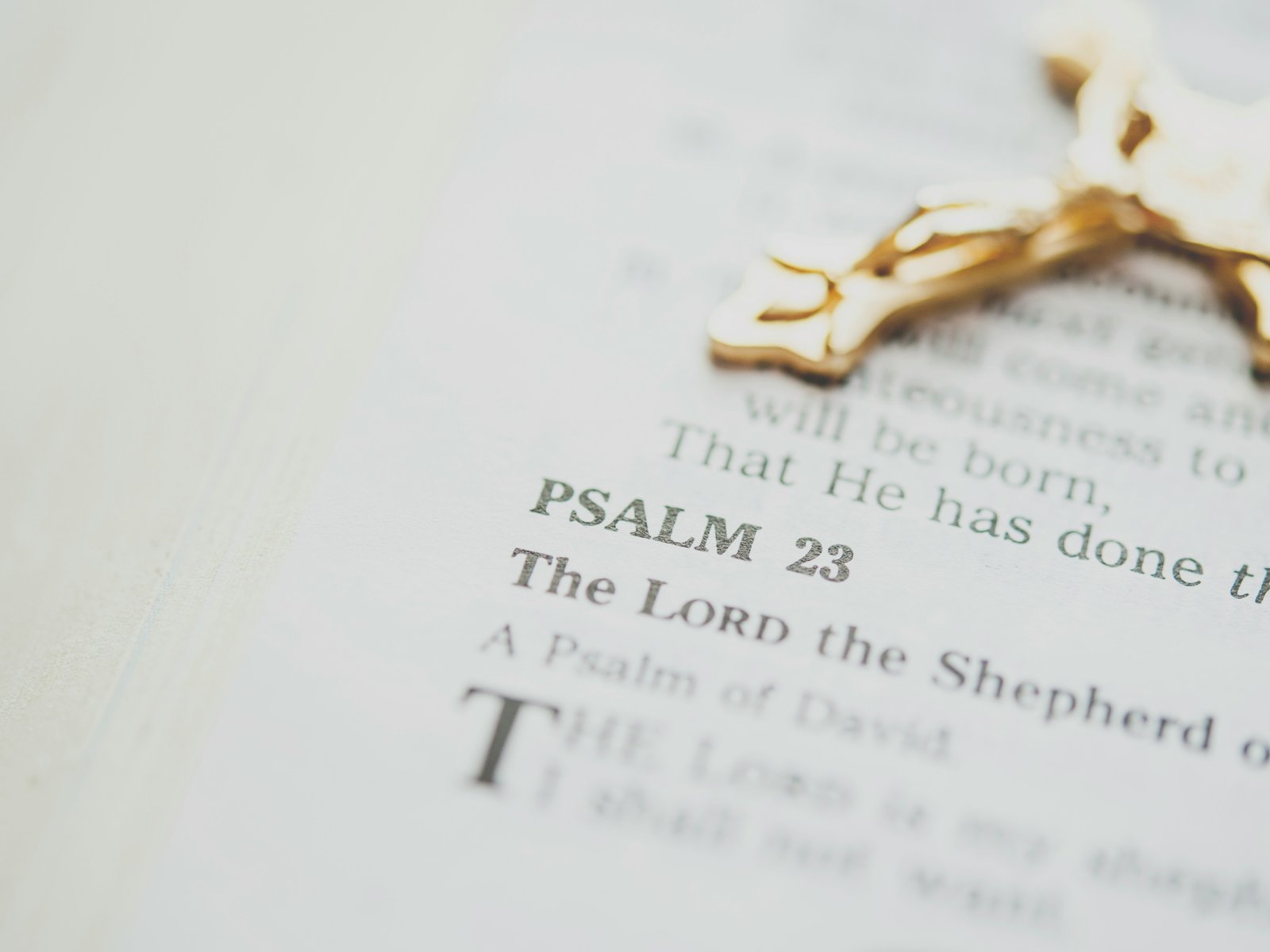
There's an older story that names that exact fear, and it never once uses the word “delegation.” A man going on a journey called three servants and entrusted his property to them: five talents to one, two to another, one to the last, each according to his own ability, and then he left (Matthew 25:14-15, ESV). The two who received more went to work with what they'd been given. The third one dug a hole and buried his.
Burnout and working long hours is clearly a choice of the business owner, and along with that is a bad case of micromanaging.
— Gary Henson, Founder of Gary Henson Group
When the master came back, the two who had put their talents to work heard the same six words twice: “Well done, good and faithful servant. You have been faithful over a little; I will set you over much” (Matthew 25:21, 23, ESV). The third servant had his excuse ready: “I knew you to be a hard man, reaping where you did not sow, and gathering where you scattered no seed, so I was afraid, and I went and hid your talent in the ground” (Matthew 25:24-25, ESV). Read that closely. He wasn't rebuked for losing money; he never lost a cent. He was rebuked for being so afraid of a bad outcome that he refused to produce any outcome at all: “You wicked and slothful servant! ... you ought to have invested my money with the bankers, and at my coming I should have received what was my own with interest” (Matthew 25:26-27, ESV). Fear didn't protect what he'd been given. It guaranteed it would never grow.
I've watched that same pattern play out at a desk that had nothing to do with talents or bankers. One of my clients, when I first sat down with him, was working 70 to 80 hours a week. He made every call himself: pricing, hiring, which customer got the discount, which vendor got paid first. A year later, we had lunch, and he was down to 5 to 10 hours a week. His business hadn't gotten smaller. What changed is that he finally understood the value of letting other people make choices and decisions, and he stopped micromanaging every part of the organization. As I like to put it, “burnout and working long hours is clearly a choice of the business owner, and along with that is a bad case of micromanaging.” I'll take credit for pointing that out to him. I won't take credit for what it took him to actually hand the decisions over. That part was his.
of more than 70,000 manager candidates DDI has assessed are strong in delegation, even though delegation is the single most effective skill for preventing leader burnout. DDI (Development Dimensions International), "How to Prevent Burnout in Leaders" →
Notice the detail it's easy to read past: the master didn't give every servant the same amount. Five to one, two to another, one to the last, each according to his own ability (Matthew 25:15, ESV). Delegating real authority isn't dumping everything on whoever's closest and hoping it holds. It's matching what you hand over to what someone's genuinely ready for, and being honest enough to say out loud which decisions fit that today, and what has to be true before more of them do. That's the same ground I stand on with every owner I coach: put the expectations in writing, make them specific enough that someone could actually fail at them, and then let that person make the call instead of routing it back through you first.
Here's the part a Christian business owner especially needs to hear, because it's easy to get backwards: none of this is a formula for making the business bigger. The two faithful servants weren't commended because they turned a profit. They were commended because they took what had been entrusted to them and put it to work instead of protecting it out of fear. “I will set you over much” (Matthew 25:21, ESV) is a statement about trust extended, not a promise about next quarter's numbers. Your employees are exactly that kind of trust: entrusted to you the same as any talent, and every bit as capable of being buried out of fear as they are of being put to work. Holding onto every decision to keep the business “safe” isn't stewardship. It's the wicked and slothful servant's excuse, dressed up to sound responsible.
If you want to know where to start, don't start with a reorg. Start with one decision that currently has to go through you and doesn't need to: a pricing exception, a hiring call, or how a customer complaint gets handled. Hand it to someone according to what they're ready for, tell them plainly what you expect, and let them either get it right or fail forward while the stakes are still small. GH Group has covered what the other side of that shift looks like, once a business stops running through one person's desk, in How to Know If Your Business Is Founder-Dependent and Why Capable Leaders Still Won't Let Go of the Work. The Inside-Out Method™ starts in the same place every time: not with the org chart, but with the owner being honest about what they're actually afraid of losing, and whether it was ever really theirs to hold onto that tightly in the first place.